
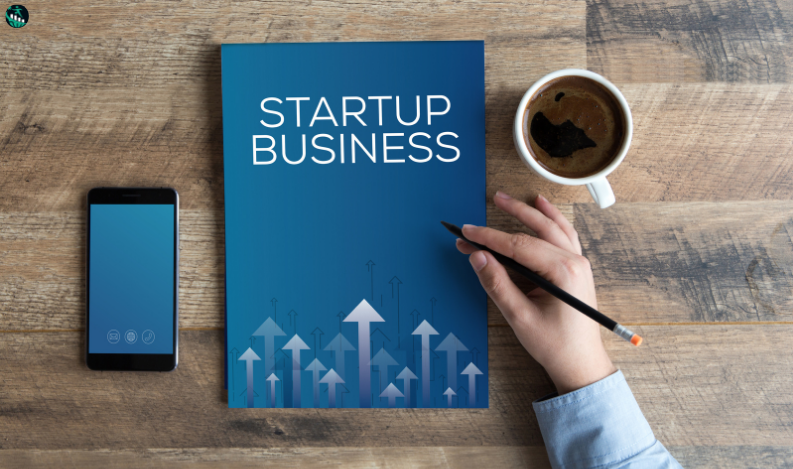
How to Start a Business with No Money in 2026: A Complete Guide for Aspiring Entrepreneurs
Starting a business with no money may sound impossible, but in 2026, technology has made it easier than ever to turn a skill, idea, or simple service into a business without a large upfront investment.
You do not necessarily need an office, employees, expensive software, or a large inventory to get started. With a smartphone or laptop, an internet connection, free digital tools, AI-powered platforms, and the right strategy, you can build a business gradually and reinvest your early earnings into growth.
The key is to start with what you already have, solve a specific problem, find paying customers, and avoid unnecessary expenses.
Choosing a Business Idea That Requires Little or No Money
When you have limited capital, the best business ideas are usually those that depend more on your skills, knowledge, creativity, or time than on physical assets.
1. Freelance Services
Freelancing remains one of the easiest ways to start earning without significant startup capital.
Depending on your skills, you can offer:
- SEO services
- Content writing and editing
- Graphic design
- Social media management
- Video editing
- Website development
- Email marketing
- Virtual assistance
- Translation
- Research services
- AI-assisted content workflows
- Business presentation design
You can begin with one service rather than trying to become a full-service agency immediately. As your client base grows, you can add complementary services.
2. AI-Powered Services
Artificial intelligence has created new opportunities for entrepreneurs in 2026. You do not necessarily need to develop an AI model yourself. Instead, you can use existing AI tools to deliver useful services more efficiently.
For example, you could offer:
- AI-assisted content production
- AI workflow setup for small businesses
- Chatbot implementation
- AI research and summarization
- Marketing automation
- Prompt and workflow development
- AI-assisted customer-support solutions
- Business process automation
The important point is that customers generally pay for the outcome, not simply for access to an AI tool. Your service should solve a real business problem.
3. Consulting
If you already have professional expertise, consulting can be started with almost no financial investment.
Potential areas include:
- Marketing
- Finance
- Business strategy
- Technology
- Human resources
- Sales
- Operations
- Career development
- Digital transformation
Start by identifying one specific problem you can solve and one clearly defined customer group.
For example, instead of offering general marketing consulting, you could position yourself as helping small businesses improve their local online visibility.
4. Content Creation and Personal Branding
Content creation has become an important business model in the creator economy.
You can build an audience through:
- YouTube
- Podcasts
- Newsletters
- Blogs
- Short-form video platforms
You can eventually monetize an audience through sponsorships, affiliate marketing, digital products, consulting, memberships, courses, or your own services.
However, content creation usually takes time. It should be treated as a long-term asset rather than a guaranteed source of immediate income.
5. Digital Products
Digital products can be attractive because they do not require traditional inventory or physical storage.
Examples include:
- E-books
- Templates
- Digital planners
- Notion templates
- Design assets
- Business documents
- Educational resources
- Online courses
- Industry guides
- Spreadsheet templates
The best digital products solve a specific problem for a clearly defined audience.
6. Print-on-Demand and Dropshipping
If you want to sell physical products but cannot afford inventory, print-on-demand and dropshipping can reduce the upfront cost.
With print-on-demand, products are created after customers place orders. With dropshipping, suppliers generally handle inventory and fulfillment while you focus on marketing and customer acquisition.
However, these models are not completely free. You may still need money for domains, platform fees, advertising, transaction costs, product samples, or other business expenses.
Validate Your Idea Before Spending Money
One of the biggest mistakes new entrepreneurs make is spending money before determining whether customers actually want the product or service.
Instead of building everything first, validate your idea.
Start by asking:
- Who has this problem?
- How are they solving it today?
- What does the existing solution cost?
- Can I provide a better, faster, cheaper, or more convenient solution?
- Would someone actually pay for my solution?
Start With a Minimum Viable Offer
You do not need to create the perfect product on day one.
Create a simple version of your offer and present it to potential customers.
For example, if you want to start a social media management business, you do not need a sophisticated agency website first. You could create a simple portfolio, prepare a service package, contact potential clients, and improve your offering based on their feedback.
Your first objective is not perfection. It is proof that someone is willing to pay.
Create a Lean Business Plan
You do not need a 50-page business plan to start a small business.
A one-page plan can be enough initially.
Business Idea
Clearly explain what you are selling and what problem it solves.
Target Customer
Define your ideal customer as specifically as possible.
Instead of saying "small businesses," you could target:
Independent fitness coaches who need help generating leads through social media.
Value Proposition
Explain why customers should choose your business instead of an alternative.
Revenue Model
Determine how you will make money.
Common models include:
- One-time payments
- Monthly retainers
- Subscriptions
- Commissions
- Affiliate revenue
- Product sales
- Consulting fees
- Course sales
Customer Acquisition
Decide how you will find your first customers.
Possible channels include:
- Direct outreach
- Search engines
- Social media
- Referrals
- Online communities
- Partnerships
- Local networking
Initial Goal
Focus on a realistic first milestone, such as getting your first three paying customers rather than immediately trying to build a large company.
Use Free and Low-Cost Digital Tools
In 2026, entrepreneurs can access a wide range of free or inexpensive tools for tasks that previously required employees or expensive software.
You can use free or low-cost tools for:
- Website creation
- Graphic design
- AI assistance
- Project management
- Communication
- Accounting
- Scheduling
- Email marketing
- Analytics
- Customer relationship management
- Video editing
- Social media management
The exact tools you choose matter less than using them efficiently.
Do Not Buy Every Tool
A common mistake is subscribing to too many SaaS products before generating revenue.
Start with the minimum tools necessary to operate your business.
For example:
Laptop + internet + email + free design tool + spreadsheet + basic website = enough to start many service businesses.
Upgrade only when a paid tool saves meaningful time or helps generate additional revenue.
Build Your Online Presence for Free
You do not need an expensive website to establish credibility.
At the beginning, you can create a simple online presence containing:
- Your business name
- What you offer
- Who you help
- Examples of your work
- Testimonials, when available
- Contact information
- A clear call to action
Your professional social profiles can also function as important parts of your online presence.
For service businesses, LinkedIn, Instagram, YouTube, and other relevant platforms can help demonstrate expertise and attract potential customers.
Get Your First Customers Without Paid Advertising
Paid advertising can help businesses grow, but it is not essential when you are starting with almost no money.
Direct Outreach
Identify businesses or individuals who could benefit from your service and send personalized messages.
Avoid sending hundreds of generic spam messages.
Instead, demonstrate that you understand the person's business and explain how you could help.
Use Your Existing Network
Tell former colleagues, friends, professional contacts, and other relevant connections about your new business.
Your first customer may come from someone who already knows and trusts you.
Build Relationships on Social Media
Instead of only promoting your services, publish useful content.
For example:
- Share practical tips.
- Explain common mistakes.
- Post case studies.
- Show before-and-after results.
- Answer industry questions.
- Share your professional experience.
Consistent helpful content can gradually build authority and trust.
Ask for Referrals
Once you have satisfied customers, ask whether they know someone who could benefit from your service.
Referrals can be particularly valuable for businesses that depend on trust.
Use SEO as a Long-Term Customer Acquisition Channel
Search engine optimization can help a small business attract people who are actively searching for solutions.
Start with basic SEO:
- Research relevant search terms.
- Create useful, original content.
- Optimize page titles and descriptions.
- Build a logical website structure.
- Improve internal linking.
- Make pages mobile-friendly.
- Improve website performance.
- Demonstrate experience and expertise.
- Keep important business information clear and accurate.
Do not create hundreds of low-quality AI-generated pages simply to target keywords.
In 2026, businesses should focus more heavily on useful, original, people-first content and genuine expertise.
Build Trust Before Trying to Scale
People are more likely to buy from businesses they trust.
Even a new business can establish credibility through:
- A professional website
- Clear pricing or service information
- Genuine testimonials
- Case studies
- Portfolio examples
- Transparent communication
- Consistent branding
- Professional social profiles
- Author information
- Clear business contact details
If you do not have testimonials yet, do not invent them.
Instead, focus on creating real projects and documenting measurable results.
Funding Your Business Without Traditional Loans
You may eventually need capital to grow, but you do not necessarily have to begin with a traditional business loan.
Pre-Sell Your Product
If you are developing a digital product, course, workshop, or service package, consider selling it before fully developing it.
This can help validate demand and provide initial cash flow.
Crowdfunding
Depending on your business model, crowdfunding can help raise money from people who believe in your idea.
However, crowdfunding requires marketing, preparation, and a compelling value proposition. It is not guaranteed funding.
Grants and Startup Programs
Government agencies, nonprofits, universities, corporations, and startup organizations may offer grants, competitions, incubators, or accelerator programs.
Availability depends heavily on your country, industry, business stage, and eligibility.
Reinvest Your Revenue
For many bootstrapped businesses, the most sustainable source of growth is revenue generated by customers.
For example:
First customer → revenue → better tools → more capacity → more customers → higher revenue.
This approach allows you to grow without taking on unnecessary debt.
Keep Your Expenses Extremely Low
When starting without money, every expense should have a purpose.
Before paying for something, ask:
"Will this expense help me make money, serve customers, or operate more efficiently?"
Avoid unnecessary spending on:
- Expensive office space
- Premium software you do not need
- Large inventories
- Elaborate branding packages
- Unnecessary subscriptions
- Expensive equipment
- Paid advertising before validating your offer
Your goal in the beginning is to maximize learning and revenue while minimizing fixed costs.
Automate Repetitive Work
Once you begin getting customers, automation can save valuable time.
You can automate tasks such as:
- Appointment scheduling
- Email follow-ups
- Invoicing
- Customer onboarding
- Social media publishing
- Reporting
- Data organization
- Basic customer support
AI can also assist with research, drafting, summarization, brainstorming, data organization, and repetitive workflows.
However, automation should support your business rather than replace quality control. Always review important customer-facing work.
Turn Your First Service Into a Scalable Business
A service business can be an excellent way to generate initial revenue, but eventually you may want to make the business more scalable.
For example:
Freelance SEO → SEO consultancy → small SEO agency → SEO templates/course → software or productized service
Similarly:
Freelance designer → design packages → design agency → digital templates → online course
The objective is to use your experience and customer knowledge to develop offerings that can generate more revenue without requiring a proportional increase in your working hours.
Track the Numbers That Matter
You do not need complicated financial dashboards when you are starting.
At minimum, track:
- Revenue
- Expenses
- Profit
- Number of customers
- Leads
- Conversion rate
- Customer acquisition cost
- Repeat customers
- Average order value
Revenue alone does not mean a business is profitable.
For example, if you generate $5,000 in sales but spend $4,500 delivering and marketing the service, your business has only generated $500 before other costs and taxes.
Understand Legal and Tax Requirements
"Starting with no money" does not mean ignoring legal or financial responsibilities.
Depending on your location and business structure, you may need to consider:
- Business registration
- Tax registration
- Licenses or permits
- Contracts
- Invoicing
- Business banking
- Data protection
- Intellectual property
- Insurance
Requirements vary by country and industry, so check the applicable rules before operating at scale.
Common Mistakes to Avoid
Waiting for the Perfect Idea
Your first business idea does not need to be perfect.
You can improve it after receiving feedback from real customers.
Building Before Selling
Spending months developing a product nobody wants is expensive.
Validate demand first.
Trying to Serve Everyone
A specific target market makes marketing and positioning easier.
Depending Entirely on AI
AI can increase productivity, but simply generating generic content with AI does not create a strong competitive advantage.
Your expertise, judgment, creativity, customer relationships, and ability to deliver results remain important.
Spending Too Much Too Early
A beautiful website and expensive software cannot compensate for a weak business model.
Focus on customers first.
A Simple 30-Day Plan to Start With Almost No Money
Week 1: Choose and Validate
- Identify your strongest marketable skill.
- Choose one specific customer group.
- Identify a problem you can solve.
- Research competitors.
- Talk to potential customers.
- Create a simple offer.
Week 2: Build Your Foundation
- Choose a business name.
- Create a simple website or landing page.
- Set up professional social profiles.
- Create a basic portfolio.
- Prepare your pricing and service packages.
- Set up a simple system for tracking leads and expenses.
Week 3: Start Selling
- Contact potential customers.
- Publish useful content.
- Ask your network for referrals.
- Join relevant professional communities.
- Offer introductory packages where appropriate.
- Collect feedback from prospects.
Week 4: Improve and Repeat
- Review your outreach results.
- Identify what generated responses.
- Improve your offer.
- Follow up with prospects.
- Deliver excellent work to early customers.
- Request genuine testimonials or referrals.
- Reinvest part of your revenue into growth.
Final Thoughts
Starting a business with no money in 2026 is less about having zero expenses and more about reducing upfront risk.
Digital platforms, AI tools, remote work, social media, online marketplaces, and no-code technologies have lowered many of the traditional barriers to entrepreneurship. But technology alone does not create a successful business.
The fundamentals remain the same: solve a real problem, understand your customer, create a valuable offer, find people willing to pay, deliver strong results, and reinvest intelligently.
Start with the resources you already have. Keep your costs low. Validate before investing heavily. Use technology to improve productivity, but focus on delivering genuine value.
You do not need a large amount of money to take the first step. You need a useful idea, a clear customer, consistent execution, and the willingness to start small and grow from there.
Also Read:-


Recent Comments:
No comments yet.